
The Real Cost of Dental Care in New Zealand: What to Expect and How to Plan Ahead
By Anna Hayes 2026-05-15
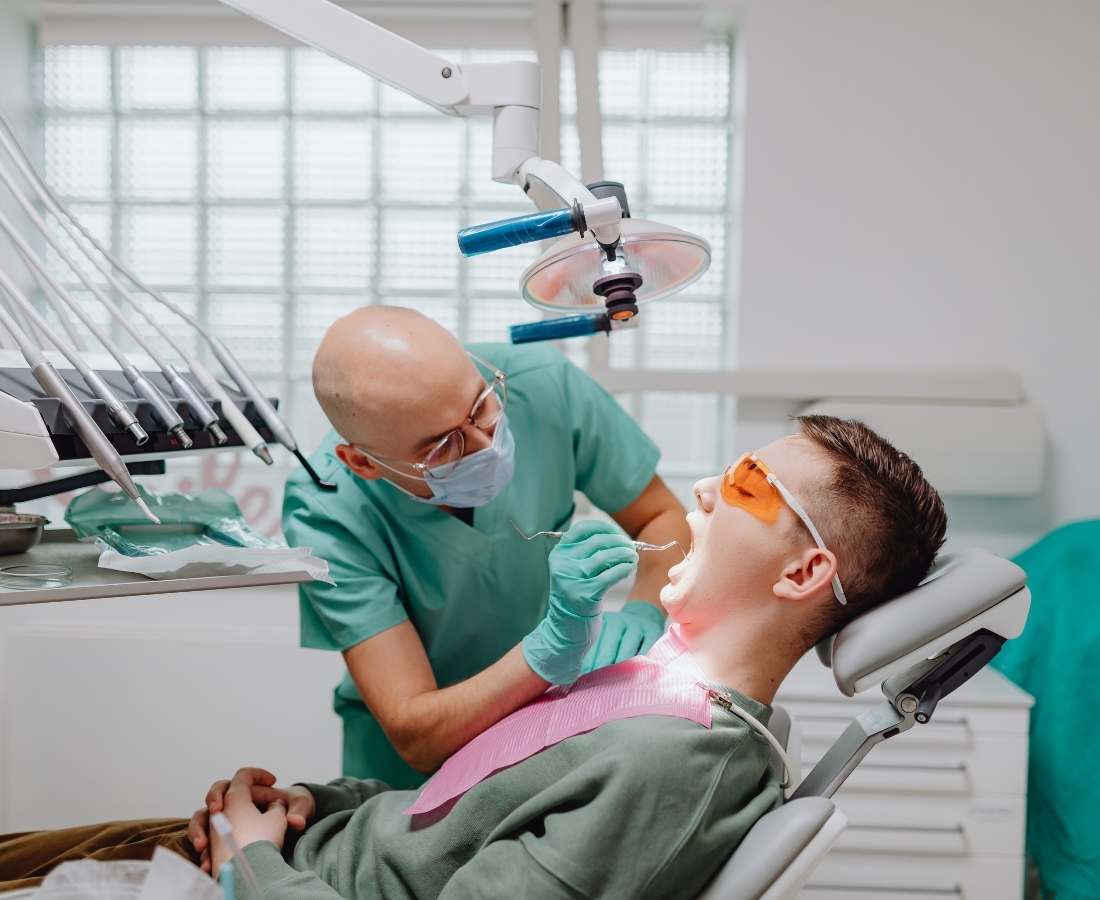
Let's face it. Whether you've had a bad experience, or have just put it off for years, seeing the dentist is scary. And sometimes, so is the bill.
Whether you're booking a routine check-up, getting your child assessed for braces, or facing an unexpected procedure, understanding what things cost for dental care in New Zealand (and why) might help you plan ahead a bit more, and make smarter decisions for your family's oral health.
This guide breaks down what you can realistically expect to pay across common dental and orthodontic treatments in NZ, what government subsidies exist, and how to approach finding the right provider for your needs.
General Dentistry: The Basics
For adults, dental care in New Zealand is largely user-pays. Unlike GP visits, there's no universal public subsidy for adult dental treatment, which means costs can add up quickly if you're not prepared.
Here's a general guide to common treatment costs:
- Standard check-up and clean: $100–$250
- X-rays (per set): $50–$150
- Fillings (composite/white): $150–$350 per tooth
- Tooth extraction (simple): $150–$300
- Root canal treatment: $800–$1,500+
- Dental crown: $1,500–$2,500
- Teeth whitening (professional): $500–$1,000
Prices vary depending on your location (urban clinics in Auckland and Wellington tend to charge more than regional practices), the complexity of treatment, and the materials used. Some dentists, like Maidstone Dental, offer very affordable new patient check-ups.
But the best way to avoid large bills? Regular check-ups. Catching problems early - say a small cavity versus a root canal - is almost always cheaper, less painful and less stressful.
What's Subsidised in New Zealand?
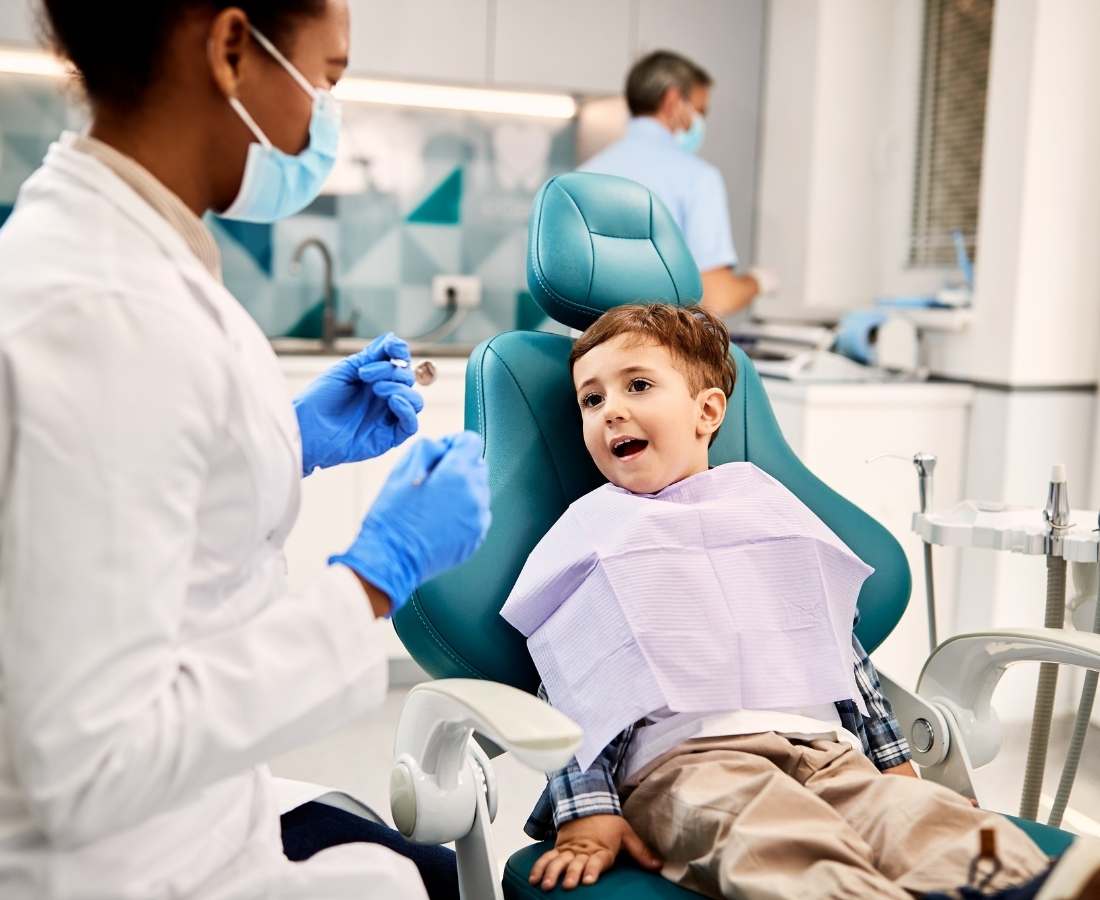
For children under 18:
The government funds free basic dental care for children and teenagers through the Community Oral Health Service (COHS) and registered dentists participating in the scheme. This covers check-ups, fillings, extractions, and some preventive treatments.
For children under the age of 13, if your child hasn't been enrolled, contact your local health provider or school dental service.
For children 13-18, you can enrol them in any registered dental clinic.
For low-income adults:
Emergency dental treatment may be available through Work and Income (WINZ) in genuine hardship situations. This is limited in scope but worth knowing about.
ACC coverage:
If a dental injury occurs as the result of an accident, ACC may cover a portion of your treatment costs. This includes things like a knocked-out or damaged tooth from a fall or sports injury.
Health insurance:
Many private health insurance plans in NZ include a dental benefit — often $300–$600 per year toward routine care. Check your policy, as this benefit is frequently underused.
Orthodontic Treatment: What Does It Cost?

Orthodontics sits at the higher end of dental investment, and it's largely private-pay for most New Zealanders. Here's what to expect:
- Traditional metal braces: $5,000–$8,000
- Ceramic (clear) braces: $6,000–$9,000
- Invisalign or clear aligners: $6,000–$10,000+
- Retainers (post-treatment): $300–$800
- Initial orthodontic consultation: Often free or $50–$150
Treatment length typically ranges from 12 to 24 months, depending on complexity.
Is orthodontic treatment ever subsidised?
In limited cases, yes. Severe orthodontic issues that impact function (not just aesthetics) may qualify for public hospital orthodontic services, though waitlists can be lengthy and eligibility criteria are strict. Most families will go the private route.
Payment plans are widely available. Many orthodontic practices offer in-house payment plans or work with financing providers like Q Mastercard or Gem Finance, allowing you to spread costs over 12–24 months.
Finding the Right Provider
When it comes to dental and orthodontic care, price is one factor — but it's not the only one. Here's what to look for:
- Qualifications: All dentists in NZ must be registered with the Dental Council of New Zealand. Orthodontists are specialists who have completed additional postgraduate training — check that your provider holds specialist registration if you're seeking orthodontic treatment.
- Transparency: A good practice will provide written treatment plans and cost estimates before proceeding. You're entitled to ask for this.
- Communication: Look for a provider who takes time to explain your options, not just the recommended treatment. Second opinions are always reasonable.
- Specialist referral: If your general dentist recommends specialist treatment, ask for a referral. GPs and dentists often have networks they trust.
Tips for Managing Dental Costs in NZ
- Go regularly. Twice-yearly check-ups catch problems before they become expensive emergencies.
- Check your health insurance. Many people forget their policy includes a dental benefit — use it.
- Ask about payment plans. Most practices are used to this conversation and can accommodate it.
- Prioritise children's dental care. The free under-18 scheme is genuinely valuable — use it while it's available.
- Compare quotes for major work. For expensive procedures like crowns, implants, or orthodontics, it's reasonable to get more than one quote.
Working With a Practice That Understands Marketing — and Patients
The best dental and orthodontic practices in New Zealand don't just deliver excellent clinical care — they also communicate clearly, make it easy to book, and follow up well. If you're a dental practice looking to improve how you attract and retain patients, Ignite Dental Marketing specialises in digital marketing for dental and orthodontic practices across New Zealand. From Google Ads to patient-focused website design, they understand the unique compliance and trust requirements of the dental sector.
Final Thoughts
Dental care doesn't have to be a financial shock if you know what to expect. Understanding the costs upfront, making use of available subsidies, and building a relationship with a trusted provider puts you in control of your family's oral health — and your budget.
If you're unsure where to start, a consultation with a local dentist or orthodontist is usually the best first step. Most practices are happy to walk you through your options before any treatment begins.

About the Author
Hi, I’m Anna Hayes — a marketing strategist and website designer at Innovate Digital. I help New Zealand businesses and wellness brands grow with clarity, creativity, and purpose through thoughtful design and authentic digital marketing.
Alongside my work at Innovate Digital, I’m also passionate about natural health and wellbeing. My personal health journey began when I discovered the power of natural products through doTERRA and Nu Skin. What started as a way to support my family’s wellbeing has become a mission to help others live healthier, more balanced lives — while empowering them to build sustainable businesses of their own.
I love that both brands focus on quality, ethical sourcing, and community — values that mirror the way I approach my digital marketing work: with care, transparency, and long-term vision.
If you’d like to connect about digital strategy, brand design, or natural wellness opportunities, I’d love to hear from you.
Anna Hayes
